
Biography of Ambassador James Victor Gbeho
1935 - 2026
I. Introduction:
The Quintessential Diplomat
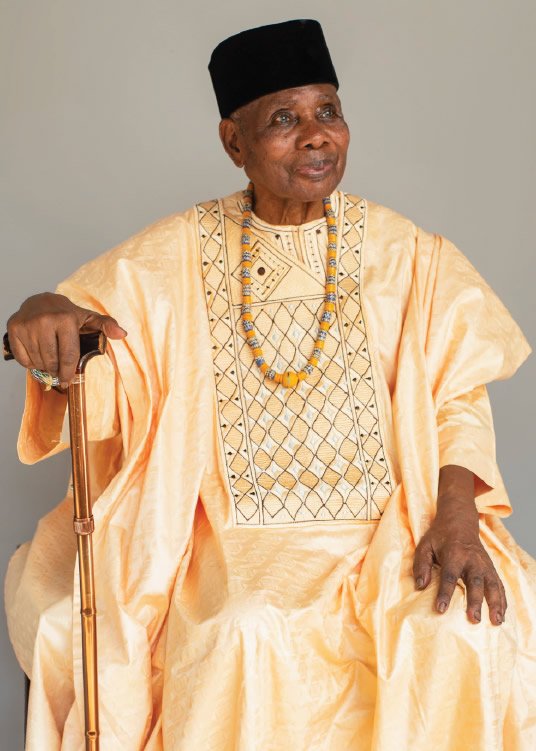
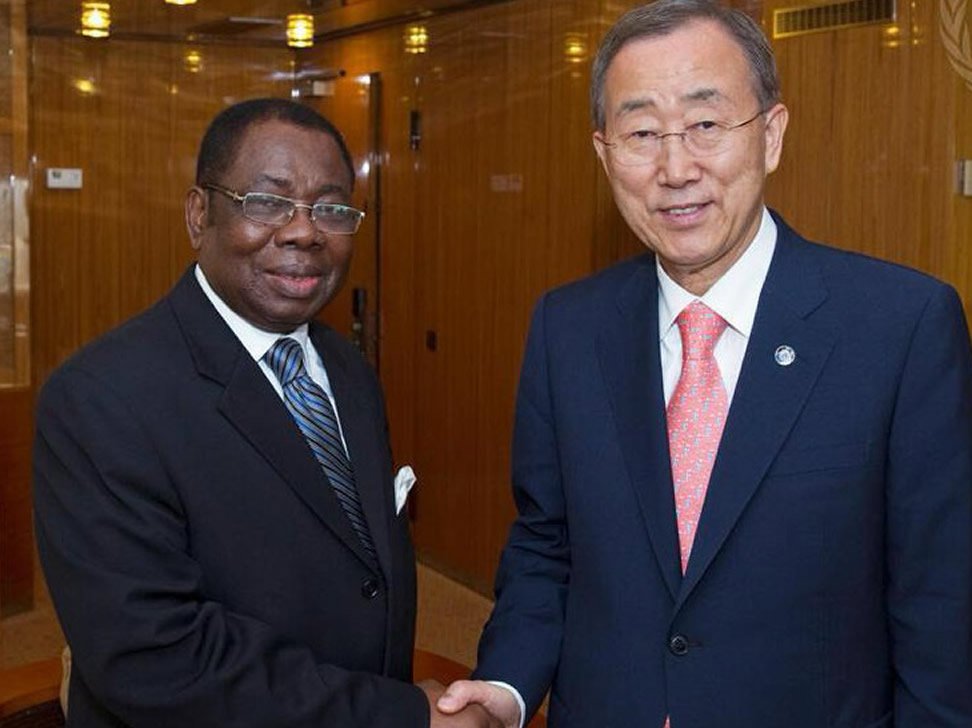
Ambassador James Victor Gbeho was one of Ghana’s most accomplished diplomats and public servants. Over a career spanning more than five decades, he represented his country at the highest levels of international diplomacy, served in national office and contributed to the pursuit of peace, security and regional cooperation across Africa. He died on 13th June2026 at the age of 91, leaving behind a record of national and international service that spanned the period from Ghana’s early years of independence into the twenty-first century.
Ambassador Gbeho belonged to a generation of diplomats who helped establish Ghana’s reputation as a principled and respected voice in international affairs. His contribution lay not only in the offices he held but also in the manner in which he served: with patience, professionalism and commitment to consensus, peace and the dignity of public service. His public life was marked by discipline, integrity, restraint and a deep confidence in the power of dialogue. Whether representing Ghana at the United Nations, serving as Minister for Foreign Affairs, undertaking peace missions in Somalia and Liberia or leading the Economic Community of West African States Commission, he approached difficult assignments with considered judgement and a strong sense of duty.
II. Early Life & Formative Years (1935–1959)
Ambassador James Victor Gbeho was born on 12th January 1935 in the coastal town of Keta in Ghana’s Volta Region to Louise Kukubor and Philip Gbeho, the distinguished musician and educator who composed Ghana’s national anthem. His mother died when he was still young, an early loss that became part of the formative experience of his childhood. The second of eight children, he grew up in a household shaped by education, culture and the emerging national consciousness of a country moving towards independence and self-determination. These influences helped instil in him a strong sense of duty and patriotism.
His intellectual development continued at Achimota School and later at the University of Ghana, where he pursued a broad humanistic education and earned a Bachelor of Arts degree in English, Philosophy and History. No doubt, these disciplines strengthened his understanding of society, politics and public affairs. In 1959, the same year he completed his university studies, he joined the Ghana Foreign and Commonwealth Service, a decision that marked the beginning of a distinguished career in diplomacy and public service spanning over five decades.
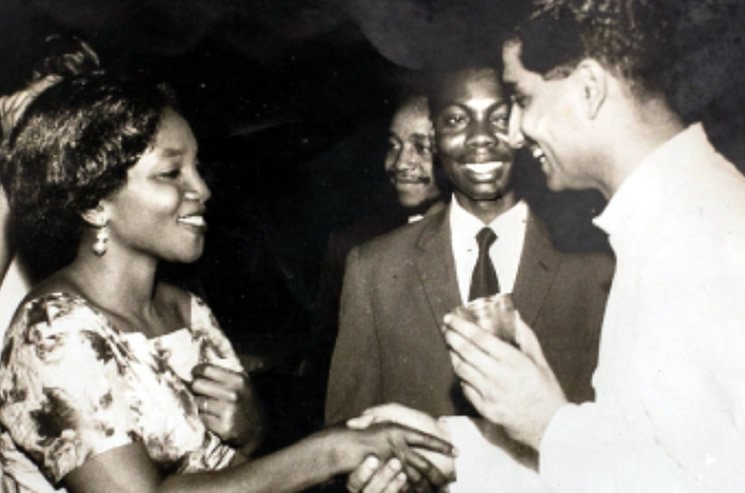
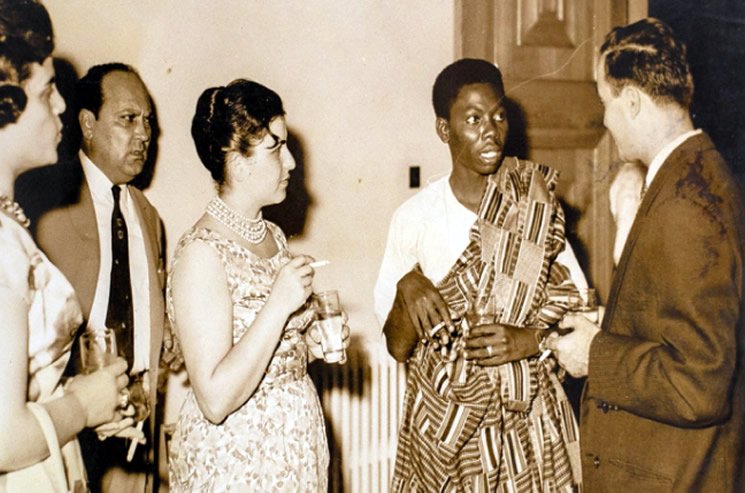
III. Early Career: The Forging of a Master Diplomat (1960–1979)
The first two decades of Ambassador James Victor Gbeho’s career in the Ghana Foreign and Commonwealth Service were characterized by disciplined growth and widening responsibility. Joining the Service in 1959, two years after Ghana attained independence, meant that he was part of a pioneering generation of diplomats charged with advancing the interests and reputation of the young nation abroad.
The Frontiers of Bilateral Diplomacy (1960–1964)
Ambassador Gbeho’s early assignments placed him at the centre of Ghana’s expanding diplomatic engagements. In 1960, he served on the team that negotiated air service agreements with Egypt, Lebanon and Sudan. He was subsequently posted to Peking, now Beijing as Second Secretary and helped establish Ghana’s Embassy in China. He later served as Second Secretary at the Ghana High Commission in New Delhi, India from 1961 to 1963, before moving to Lagos, Nigeria in 1964 as First Secretary and Head of Chancery.
Early Multilateral Experience (1964–1976)
Between 1964 and 1967, Ambassador Gbeho gained his first sustained experience of the United Nations system while serving at Ghana’s Permanent Mission in New York. He worked as First Secretary; later as Counsellor; and served as Ghana’s alternate representative on the General Assembly’s Fourth Committee.His diplomatic experience broadened further through appointments as Minister-Counsellor in Bonn from 1969 to 1971 and Deputy High Commissioner to the Court of St James’s in London from 1972 to 1976.
Leadership in Accra and the Rise to the Position of Ambassador (1976–1979)
During periods of service in Accra, Ambassador Gbeho also contributed to the institutional work of the Foreign Ministry. He served as Assistant Director responsible for multilateral affairs and later as Supervising Director of the Bureau of International Organizations and Conferences. In 1978, he was appointed Ambassador and Permanent Representative of Ghana to the European Office of the United Nations in Geneva, with concurrent accreditation to the United Nations Industrial Development Organization in Vienna. In 1979, he chaired the Committee on Economic Cooperation among Developing Countries at the fifth session of the United Nations Conference on Trade and Development in Manila. By the end of the decade, he had become a seasoned diplomat with substantial experience in bilateral relations, multilateral negotiation and the internal administration of Ghana’s Foreign Service.
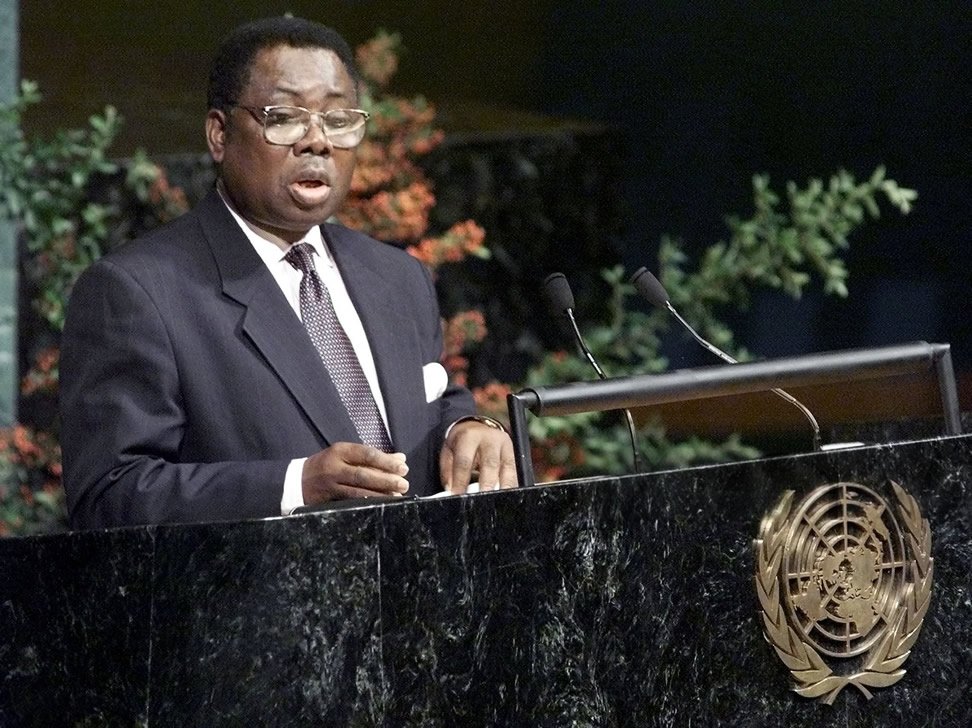
IV. A Decade at the United Nations (1980–1990)
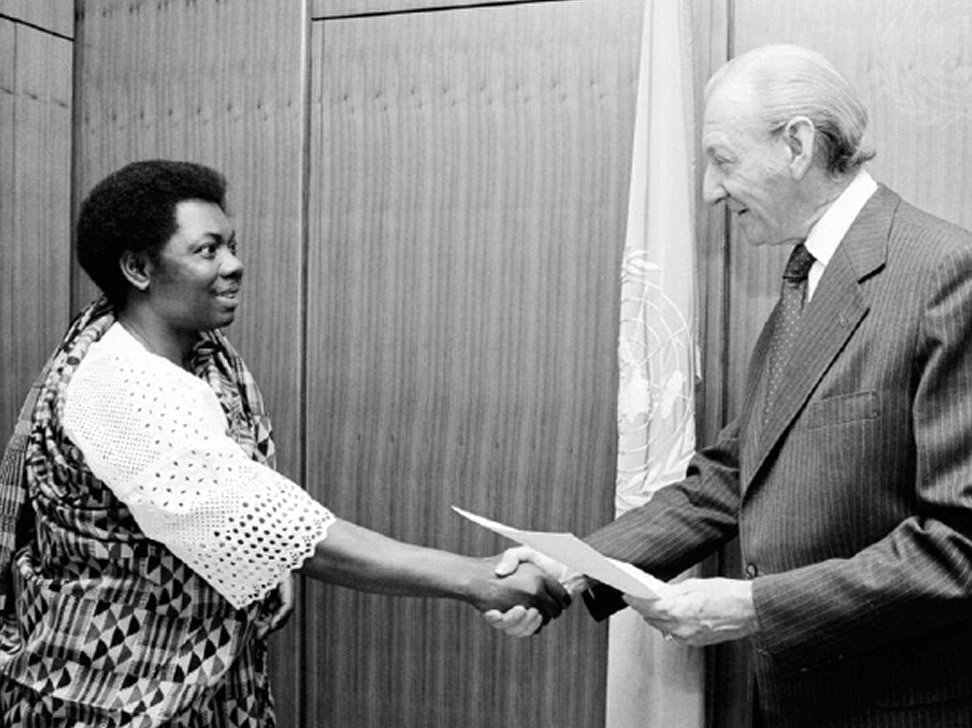
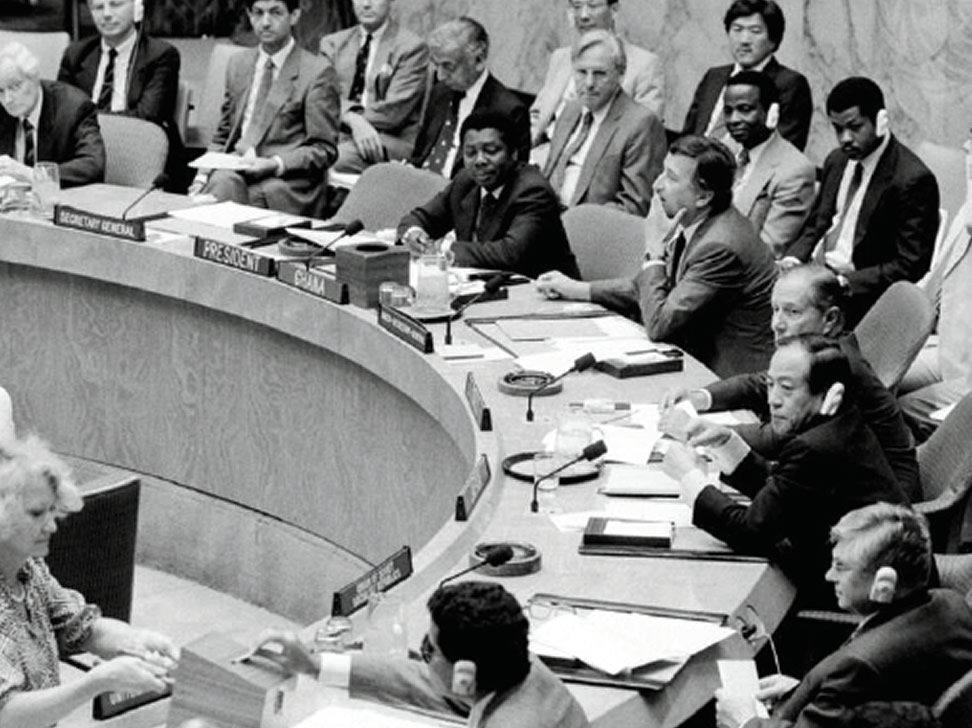
On 27th August 1980, Ambassador James Victor Gbeho presented his credentials as Ghana’s Permanent Representative to the United Nations in New York, beginning a decade of sustained service at the centre of international diplomacy. During this period, he also served as Ghana’s concurrently accredited Ambassador to Cuba, Jamaica and Trinidad & Tobago. His long tenure at the UN placed him in a position to promote Ghana’s interests with continuity and experience during a period of profound political tension and global change.
Leadership in the Fight Against Apartheid
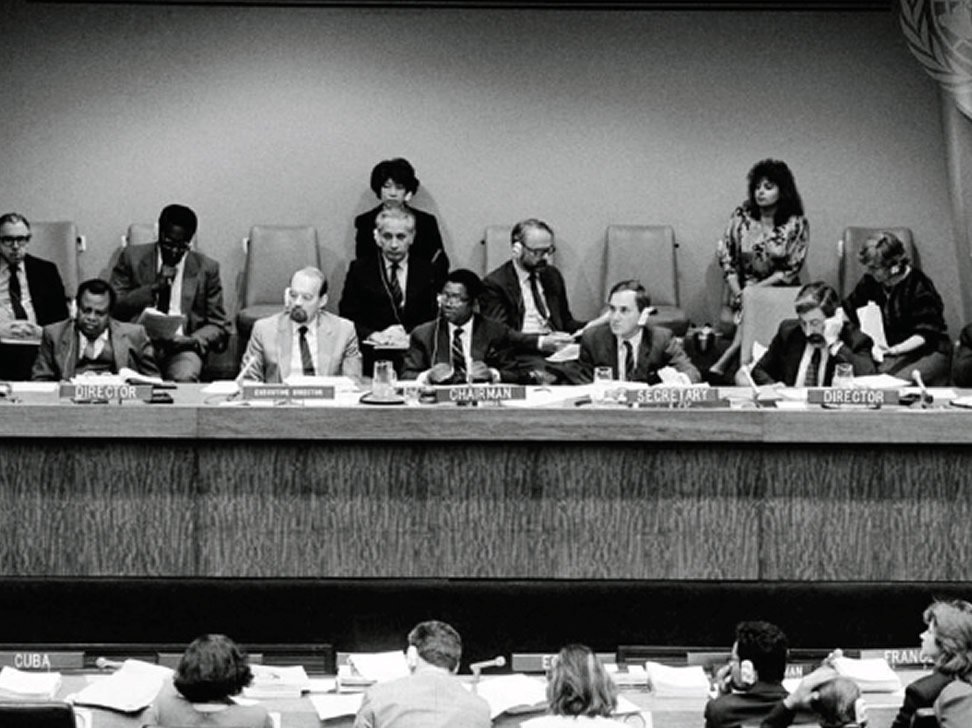
Ambassador Gbeho was an important figure in the United Nations campaign against apartheid and colonial domination. From 1981, he chaired the Sub-Committee on the Implementation of United Nations Resolutions and Collaboration with South Africa within the Special Committee against Apartheid. In 1989, he also served as Chairman of the Commission against Apartheid in Sports. Through these responsibilities, he advanced Ghana’s long-standing commitment to African liberation and helped intensify international pressure against racial oppression in Southern Africa.
Global Statesmanship at the High Table
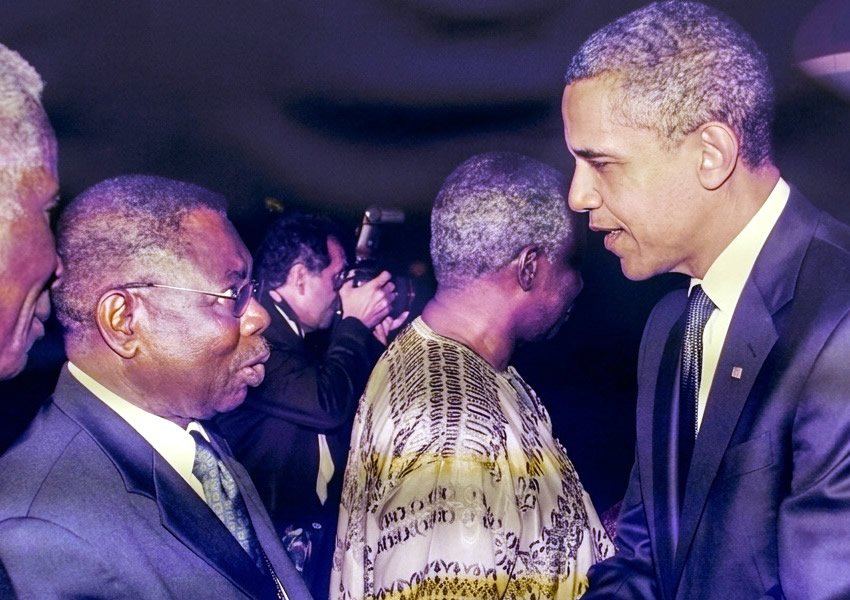
His experience and wise judgement earned him recognition across the United Nations system. In September 1986, he was elected Chairman of the General Assembly’s Fourth Committee, which considered questions relating to decolonization and special political matters. During his tenure when Ghana was a non-permanent member of the United Nations Security Council, Ambassador Gbeho presided over the Council in May 1986 and September 1987, respectively. Navigating the Ideological Divisions of the Cold War Ambassador Gbeho’s years in New York coincided with the final and often tense phase of the Cold War. In an environment shaped by rivalry between major powers, he developed a reputation for calm and informed judgement, careful listening and a preference for negotiation over confrontation. He represented Ghana with firmness while maintaining the country’s independence of thought and commitment to multilateral cooperation. His decade at the United Nations strengthened Ghana’s reputation as a principled, credible and constructive voice in international affairs.
V. Peacemaker:
Operational Resolve in Africa’s Darkest Hours (1994–1997)
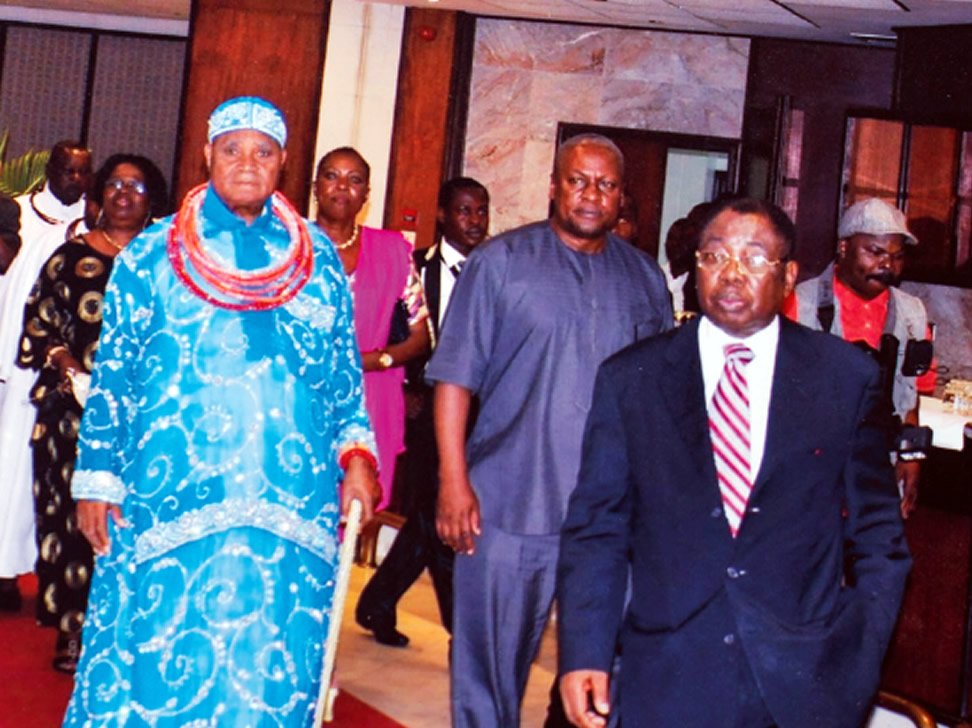
In 1994, Ambassador Gbeho moved from formal multilateral diplomacy into the demanding field of conflict mediation. On 5th July 1994, United Nations Secretary-General Boutros Boutros-Ghali appointed him Special Representative for Somalia during the final phase of the United Nations Operation in Somalia II (UNOSOM II). He assumed responsibility at a time when the country was deeply divided by armed conflict, institutional collapse and severe humanitarian distress. His tenure required close coordination with United Nations officials, humanitarian agencies and multinational forces as the mission wound down in preparation for withdrawal. Under Ambassador Gbeho’s leadership, that process culminated in Operation United Shield in February 1995, which enabled the safe evacuation of United Nations personnel from Mogadishu.
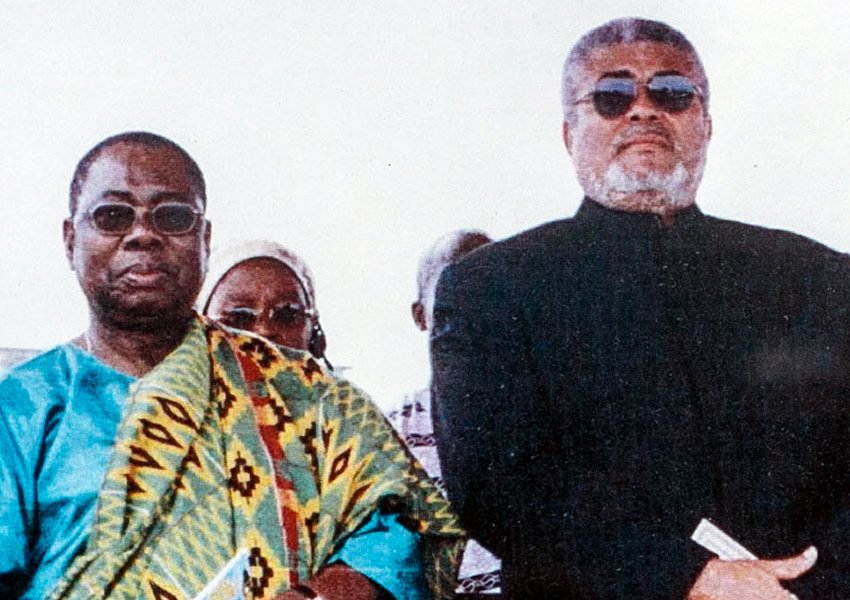
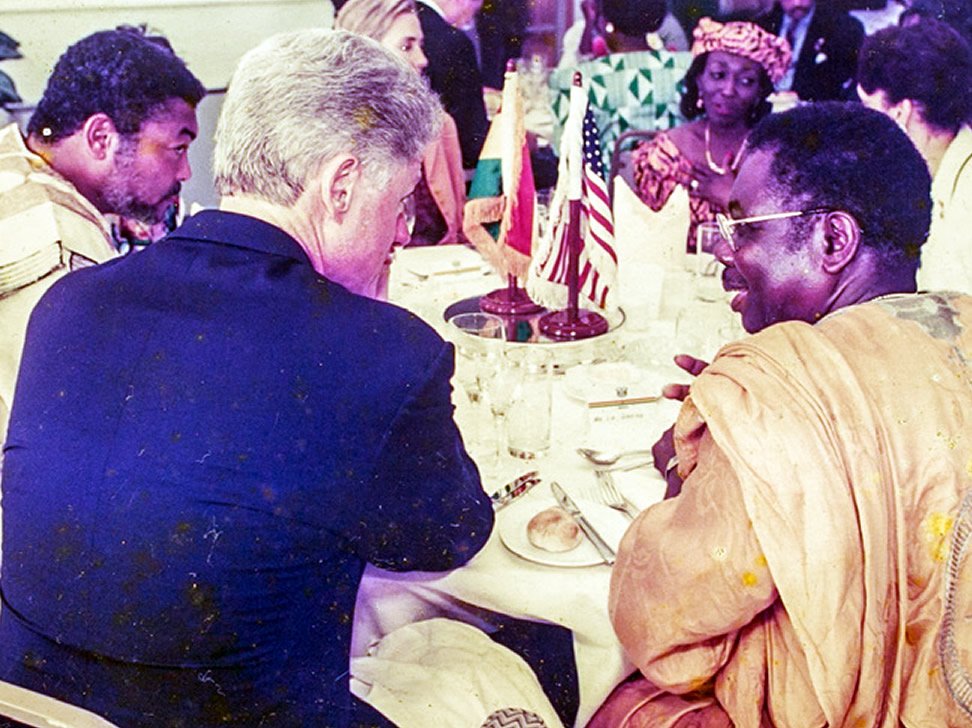
In 1995, soon after completing his assignment in Somalia, and during the chairmanship of President Jerry John Rawlings, Ambassador Gbeho was appointed ECOWAS Special Representative for Liberia. The civil war in Liberia had devastated communities, weakened public institutions and drawn the region into a prolonged peace effort. In this difficult environment, Ambassador Gbeho engaged political leaders, armed factions and regional stakeholders in support of ceasefires, disarmament and the restoration of constitutional order. His work formed part of the wider ECOWAS effort to create the conditions for reconciliation and political recovery. These consecutive assignments demonstrated Ambassador Gbeho’s ability to operate under pressure and to apply diplomacy in environments where trust had broken down. In both Somalia and Liberia, he relied on patience, direct engagement and a clear commitment to dialogue. His service reflected Ghana’s long-standing support for African-led peace efforts and strengthened his reputation as a diplomat capable of combining careful judgement with practical resolve. Through this work, he contributed to the development of regional approaches to conflict mediation, peacekeeping and political transition.
VI. National Statesman:
Foreign Minister & Parliamentarian (1997–2005)
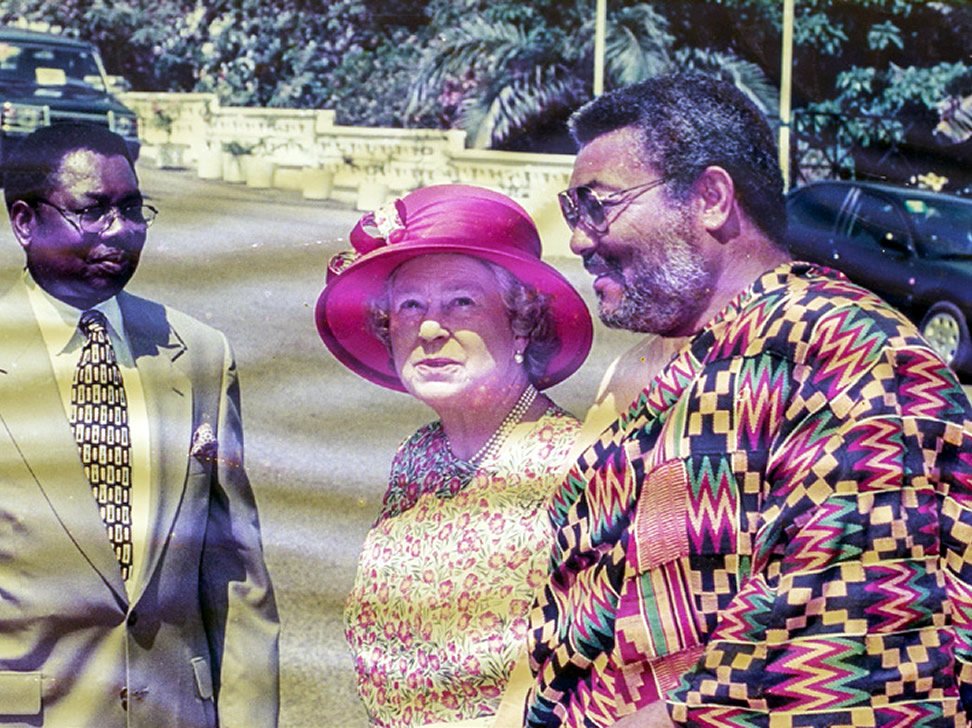
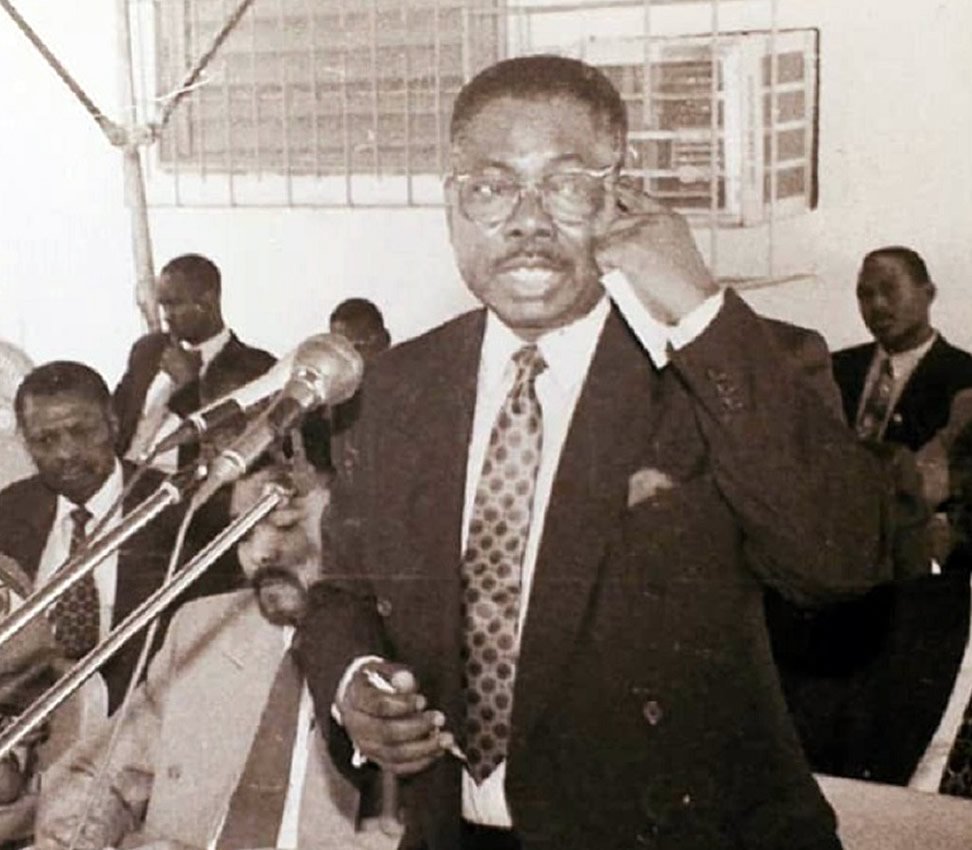
Between 1997 and 2001, Ambassador James Victor Gbeho served as Ghana’s Minister for Foreign Affairs under President Jerry John Rawlings. In that role, he drew on decades of diplomatic experience to guide Ghana’s external relations during a period of political transition and regional instability. His tenure combined bilateral engagement, multilateral advocacy and active involvement in efforts to address the conflicts in Sierra Leone and Liberia. At the 1999 United Nations General Assembly, he argued that reform of the Security Council should be guided by democratic principles and more equitable representation, reflecting his long-standing commitment to a more inclusive international order.
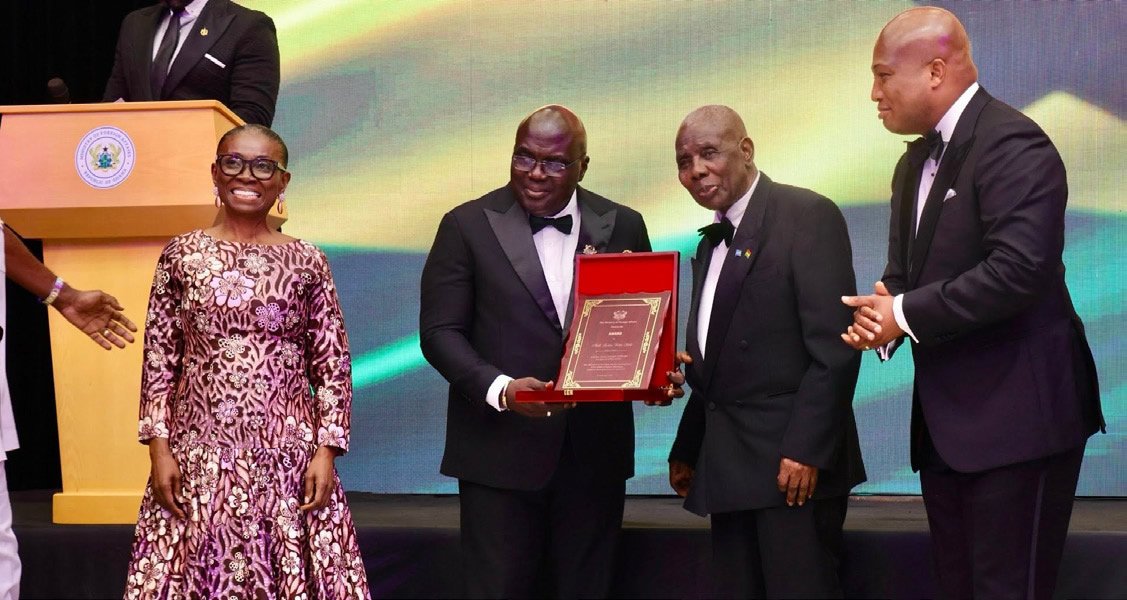
After leaving the executive branch of government, Ambassador Gbeho entered Parliament as the Member for the Anlo constituency from 2001 to 2005. He won the seat as an independent candidate, demonstrating the depth of his local support and his willingness to place constituency interests above party considerations. His transition from international diplomacy to domestic representation revealed another dimension of his public service. Ambassador Gbeho brought the same zeal, meticulousness and professionalism that defined his diplomatic career to his service in Parliament. In October 2011, he was awarded the Companion of the Order of the Volta, one of Ghana’s highest national honours, in recognition of his exceptional career in diplomacy and public service.
VII. An Architect of Regional Integration: ECOWAS Presidency (2010–2012)
In 2010, Ambassador James Victor Gbeho was unanimously elected President of the ECOWAS Commission, assuming office at a time of heightened political uncertainty and growing pressure on democratic governance across West Africa. A central principle of his tenure was ECOWAS’s policy of “Zero Tolerance” for power obtained or retained through unconstitutional means. This approach was tested during the post-electoral crisis in Côte d’Ivoire, where he defended the regional policy, insisting that the recognized outcome of the election had to be respected. He also maintained that West African security challenges required strong regional ownership and coordinated action.
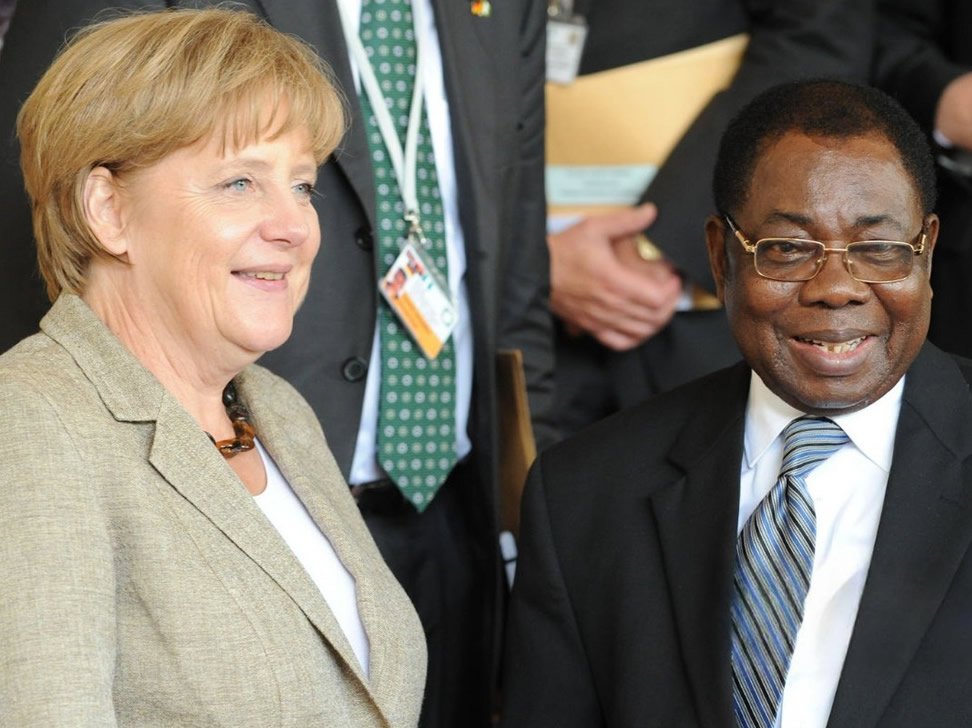
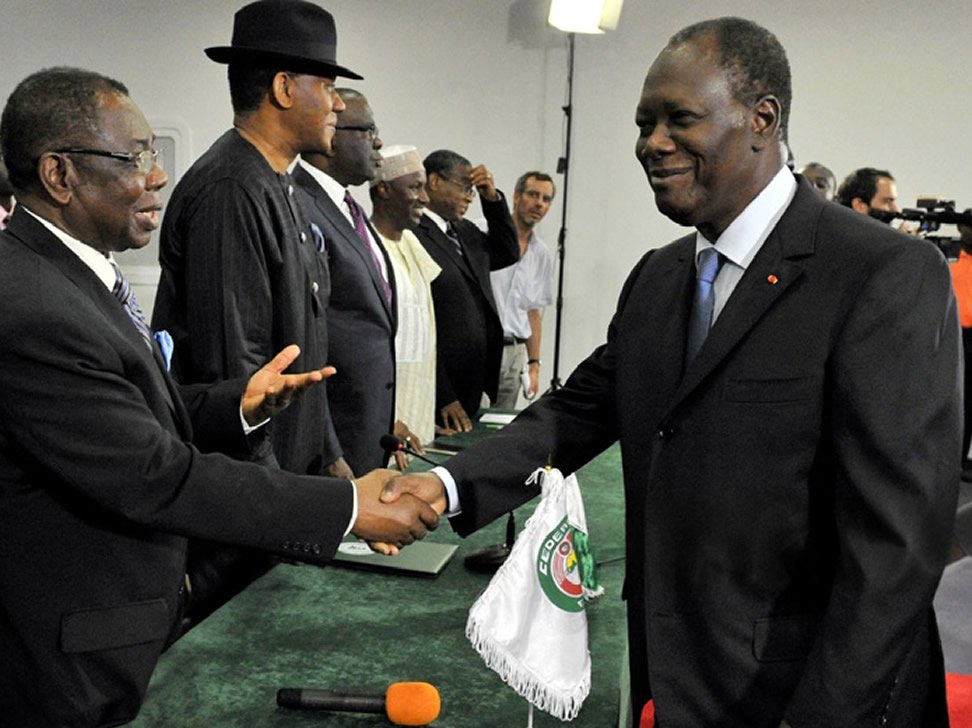
Ambassador Gbeho’s presidency also focused on deepening regional integration and on bringing the work of ECOWAS closer to its citizens. Under Vision 2020, the Commission advanced the goal of moving from an “ECOWAS of States” to an “ECOWAS of the Peoples.” During this period, the organization adopted the West African Common Industrial Policy, continued work on the roadmap for a single regional currency and supported progress in transport and communications infrastructure. Under his watch, the community also advanced regional initiatives in public health and youth service, reflecting his belief that integration should deliver practical benefits to ordinary people.
The Monrovia Declaration of March 2010 also helped shape the direction of his presidency. Emerging from a review of regional peace processes, its 16-point agenda focused on governance, security and conflict prevention. Ambassador Gbeho consistently urged member states and regional institutions to take ownership of these commitments and place human security at the centre of policy. By the end of his tenure in 2012, he had helped strengthen ECOWAS as both an integration body and a political institution committed to peace, democratic order and collective responsibility.
VIII. Personal Life
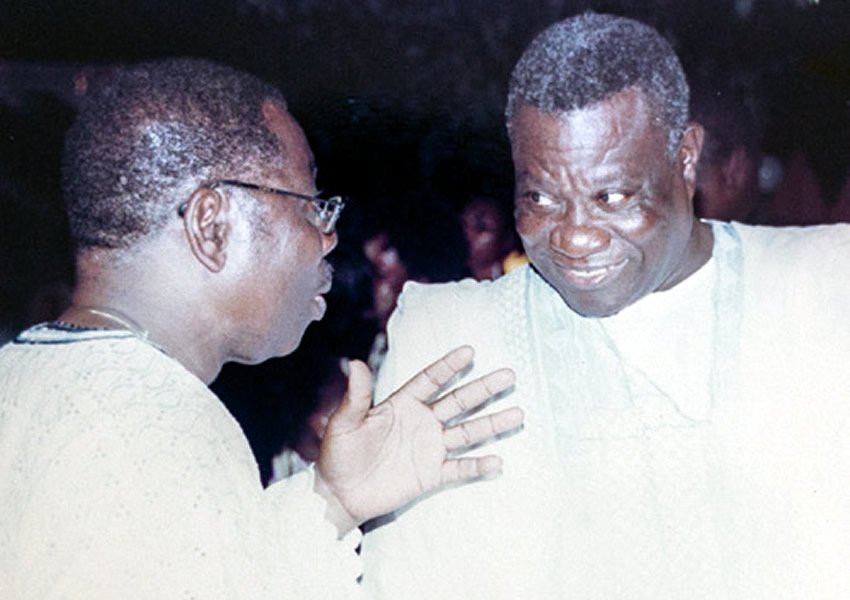
Beyond the high-stakes corridors of global power, Ambassador James Victor Gbeho was a devoted family man, married to Edith Adoley, father of four children: Eric, Kiki, Koblah and Senam. He leaves behind six grandchildren, aside from the many wards and proteges that looked after and mentored over the years. In his later years, he kept an active social calendar, which included Wednesdays at Yenkodi with former colleagues and weekend visits to Woe in the Volta Region, while never missing family gatherings and celebrations.
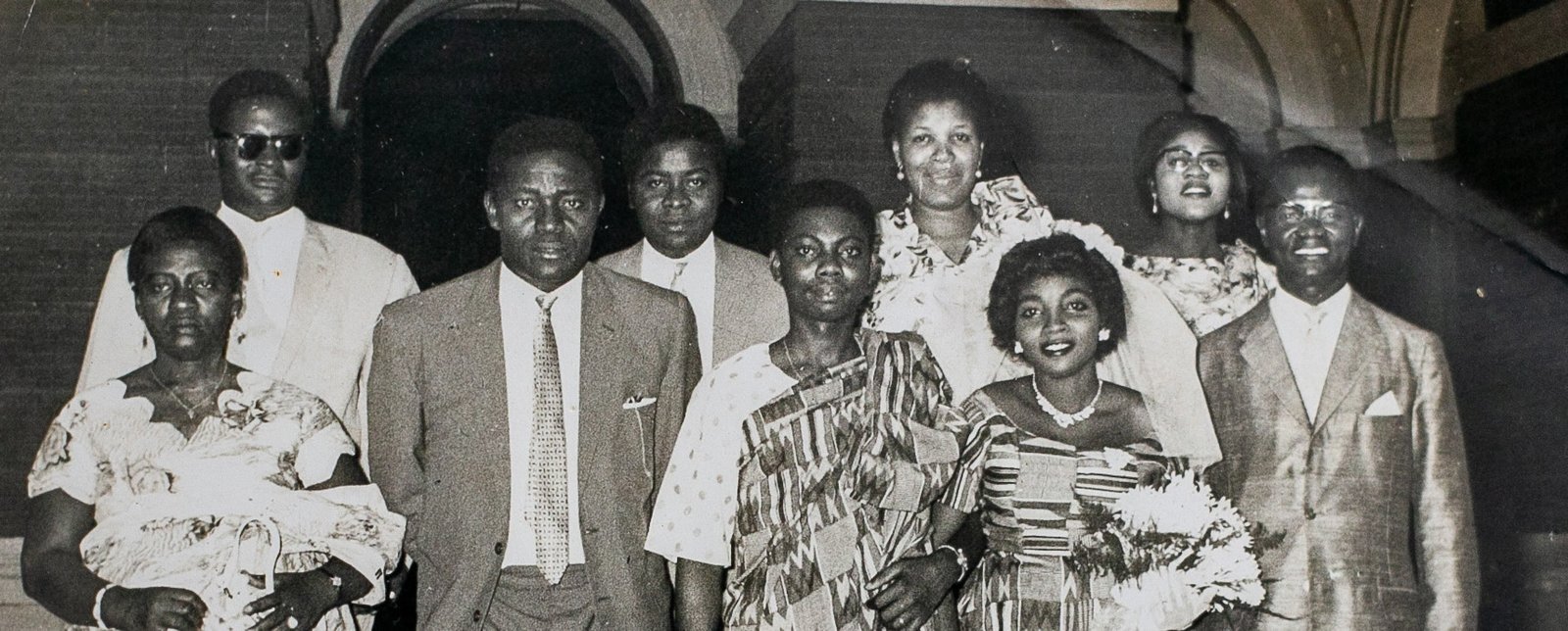
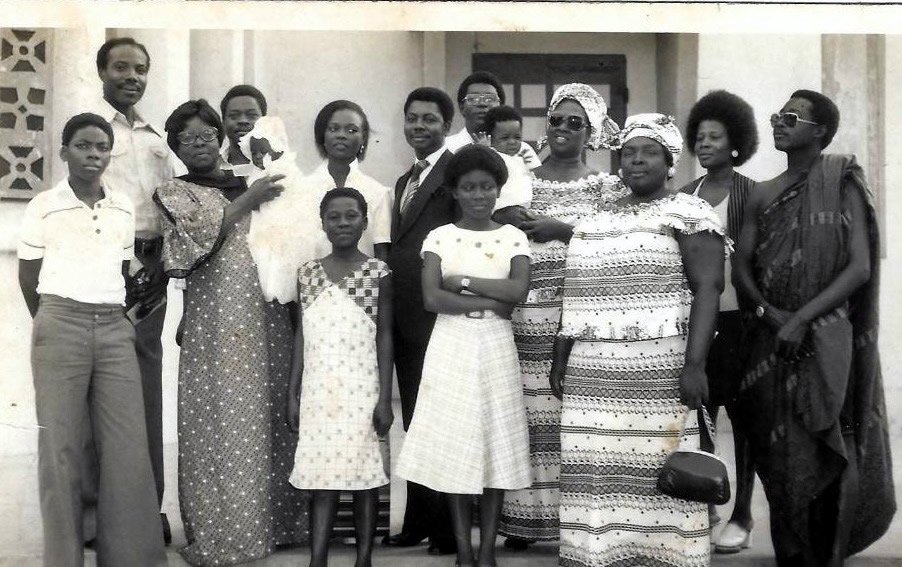
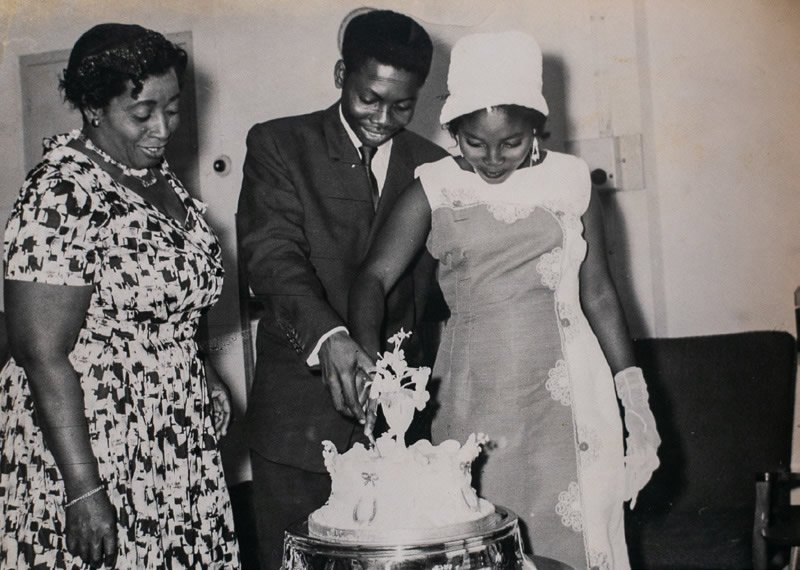
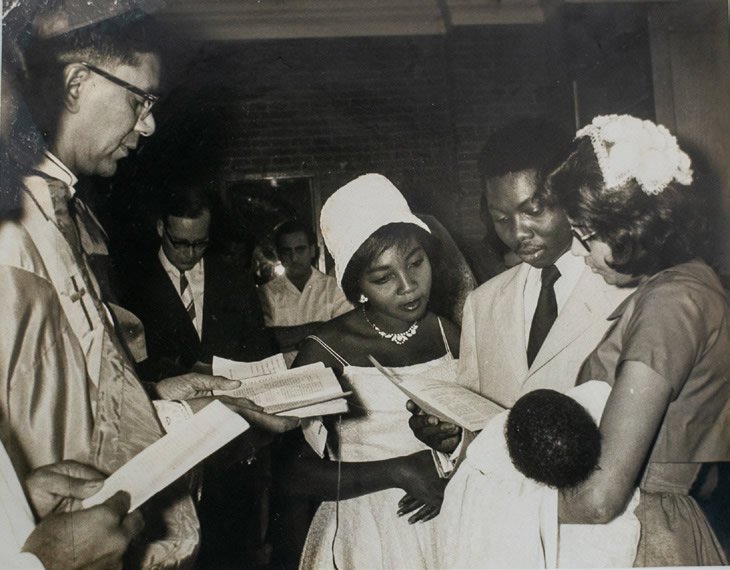
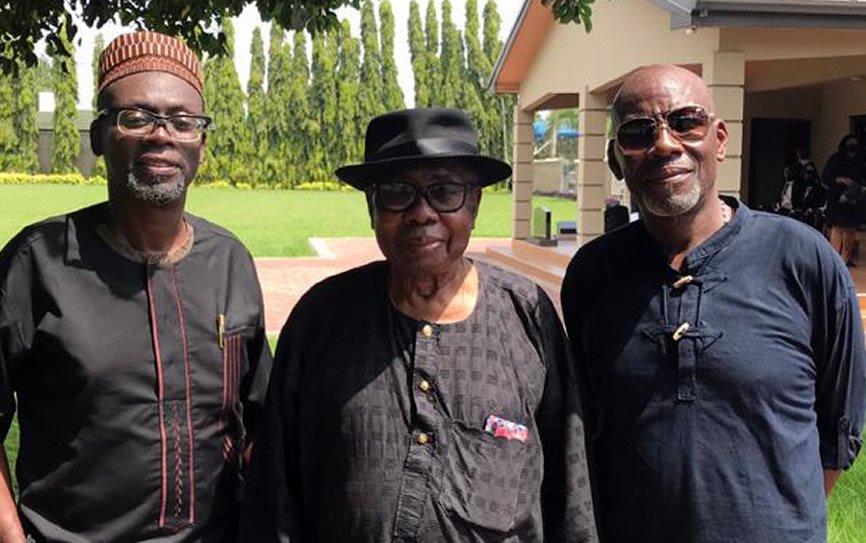
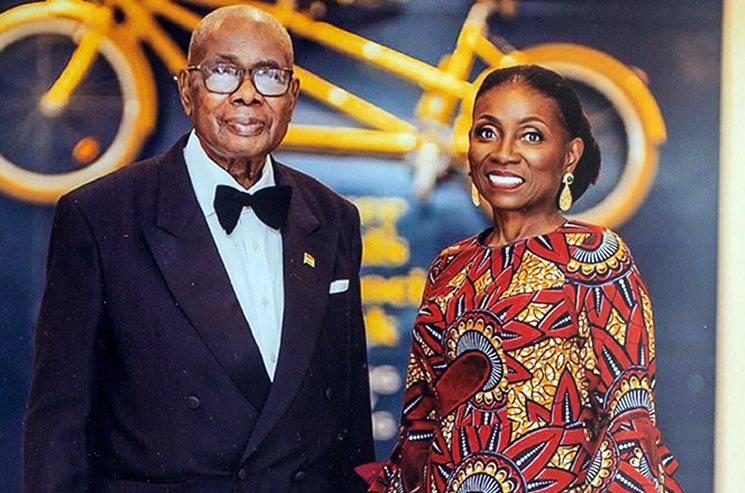
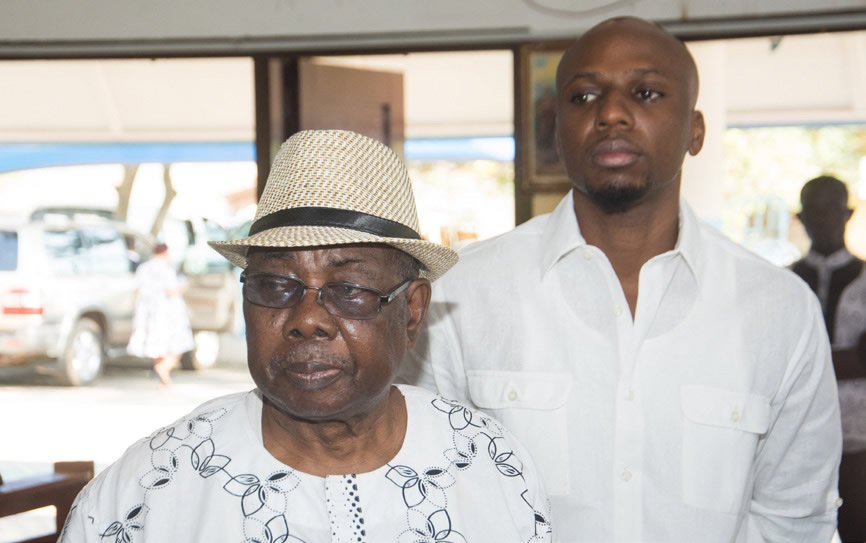
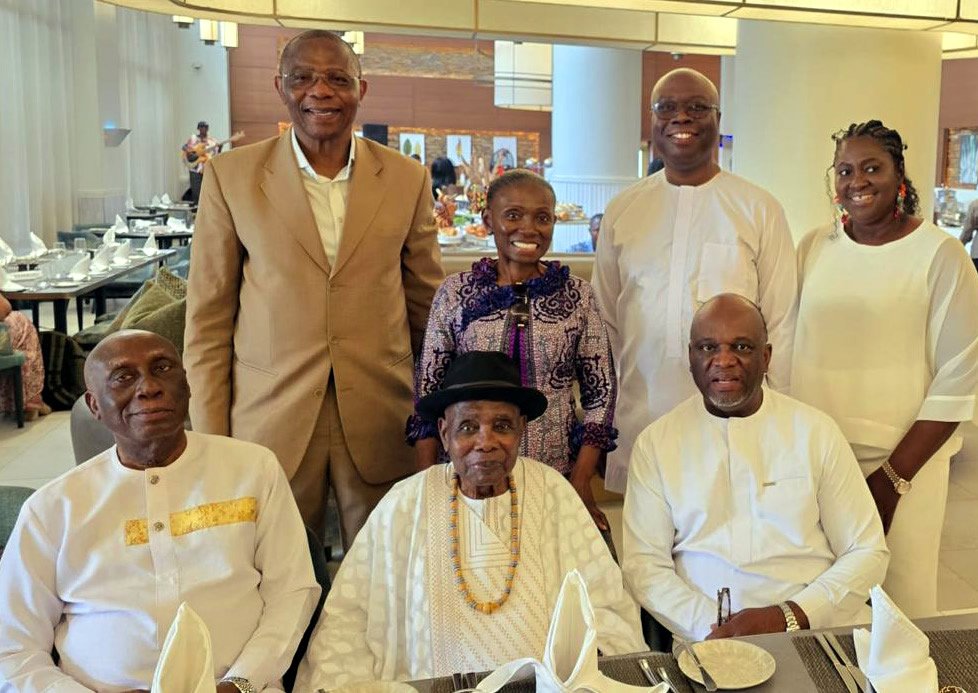
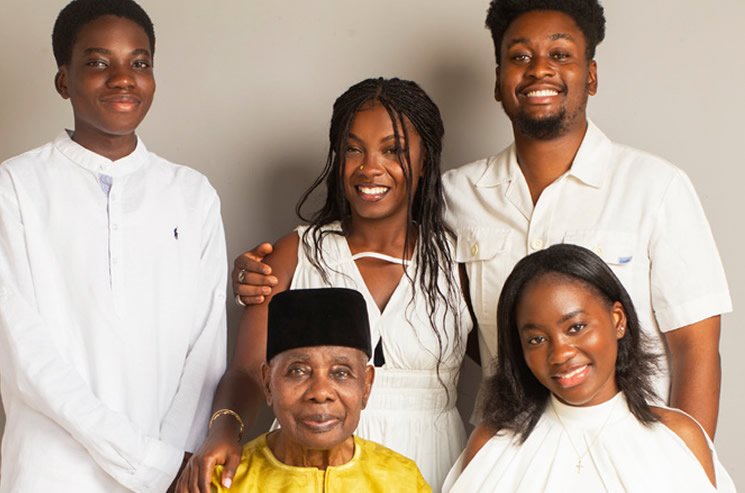
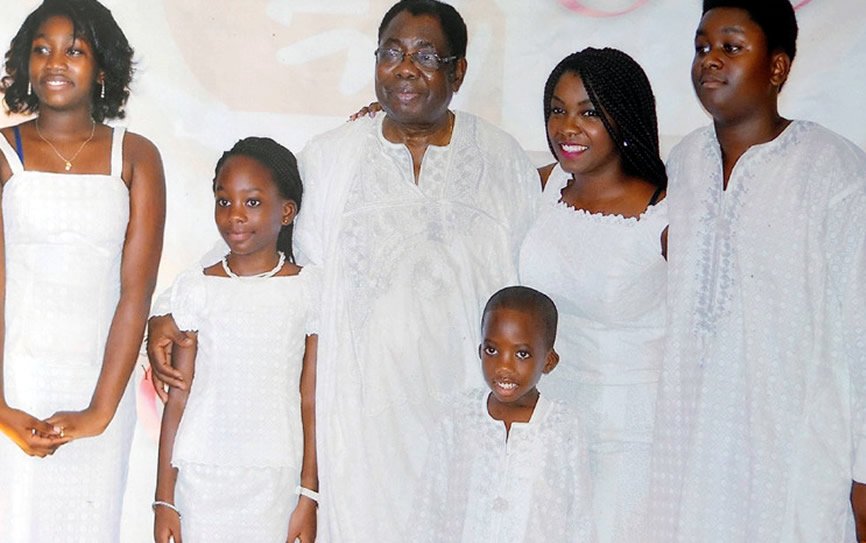
Ambassador Gbeho belonged to a lineage deeply woven into the fabric of Ghanaian national life as the son of Philip Gbeho, the legendary composer of the national anthem, a cultural heritage he carried as a point of pride throughout his life. He played the piano skillfully and enjoyed music of all genres, from classical to highlife to church hymnals. His daughter Kiki followed in his footsteps as a distinguished international diplomat who has risen to the rank of Under-Secretary-General at the United Nations, now serving as the Special Representative of the Secretary-General and Head of the UN Mission in South Sudan.
Widely regarded as a gentleman par excellence, Ambassador Gbeho was described by his peers as an unassuming leader who exuded a natural gravitas. In a profession often defined by loud rhetoric, he was a diplomat who listened more than he spoke, earning a reputation for being calm, thoughtful and deeply principled. This quiet effectiveness was matched by a personal simplicity and a emarkable gift for storytelling. As a generous mentor to younger publicservants, he frequently shared masterclasses on the finer points of diplomacy and taught lessons seldom found in textbooks.
IX. A Legacy of Dedicated Service
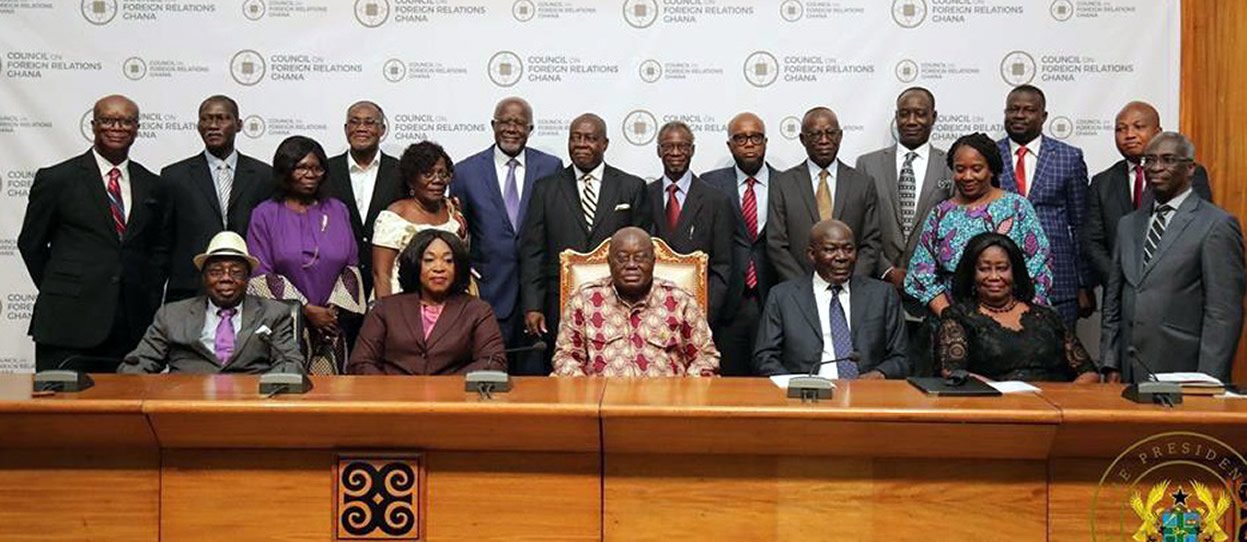
James Victor Gbeho’s life stands as a distinguished record of service to Ghana, Africa and the wider international community. His approach to diplomacy was grounded in patience, dialogue and the belief that durable solutions were built through cooperation. He consistently supported African-led responses to regional challenges and defended the principle that peace, security and political stability required both collective responsibility and respect for the dignity of all people. From the United Nations Security Council to peace efforts in Liberia and Somalia, he brought calm, tempered judgement, discipline and a strong sense of duty to every assignment.
Ambassador Gbeho will be remembered as one of Ghana’s most accomplished diplomats and public servants. His contribution to the development of ECOWAS, particularly its emphasis on human security, democratic governance and regional integration, remains central to his legacy. His life offers future generations a clear example of public service guided by professionalism, integrity and national commitment. Though his voice is now silent, the institutions he helped strengthen and the principles he upheld will continue to shape the work of those entrusted with Ghana’s place in Africa and the world.
